


Price Dynamics and Regional Outlook
In Germany, cold-rolled coil (CRC) prices are holding at €660/t EXW, while HRC trades within a €565–575/t EXW range. Offers for December delivery are reported at €610–620/t EXW. In Italy, HRC prices remain stable at €545/t EXW, with domestic transactions primarily within the €550–570/t CPT band. Northern Europe reports HRC prices of €570–580/t EXW and €600–615/t CPT.
On the long products side, rebar in Poland is trading at €570/t CPT, and wire rod at €600/t CPT. In Italy, wire rod is priced at €580–600/t CPT, and rebar at €550–570/t EXW. Spain’s rebar prices are higher at €640–650/t CPT, while Germany reports rebar at €610 CPT and €600 EXW. In Southern Europe, the gradual recovery in construction activity, combined with upcoming major infrastructure projects in Germany, is expected to boost demand for long products in the months ahead.
Competition from Türkiye and India
Competition in Europe’s import market remains intense between Turkish and Indian suppliers. Turkish HRC offers are holding at €520/t CFR Italy, while Indian shipments reportedly secure 2025 deliveries at €500/t CFR Italy. This dynamic strengthens India’s competitive position, exerting pressure on Turkish steel.
CBAM Impact and Trade Policy Uncertainty
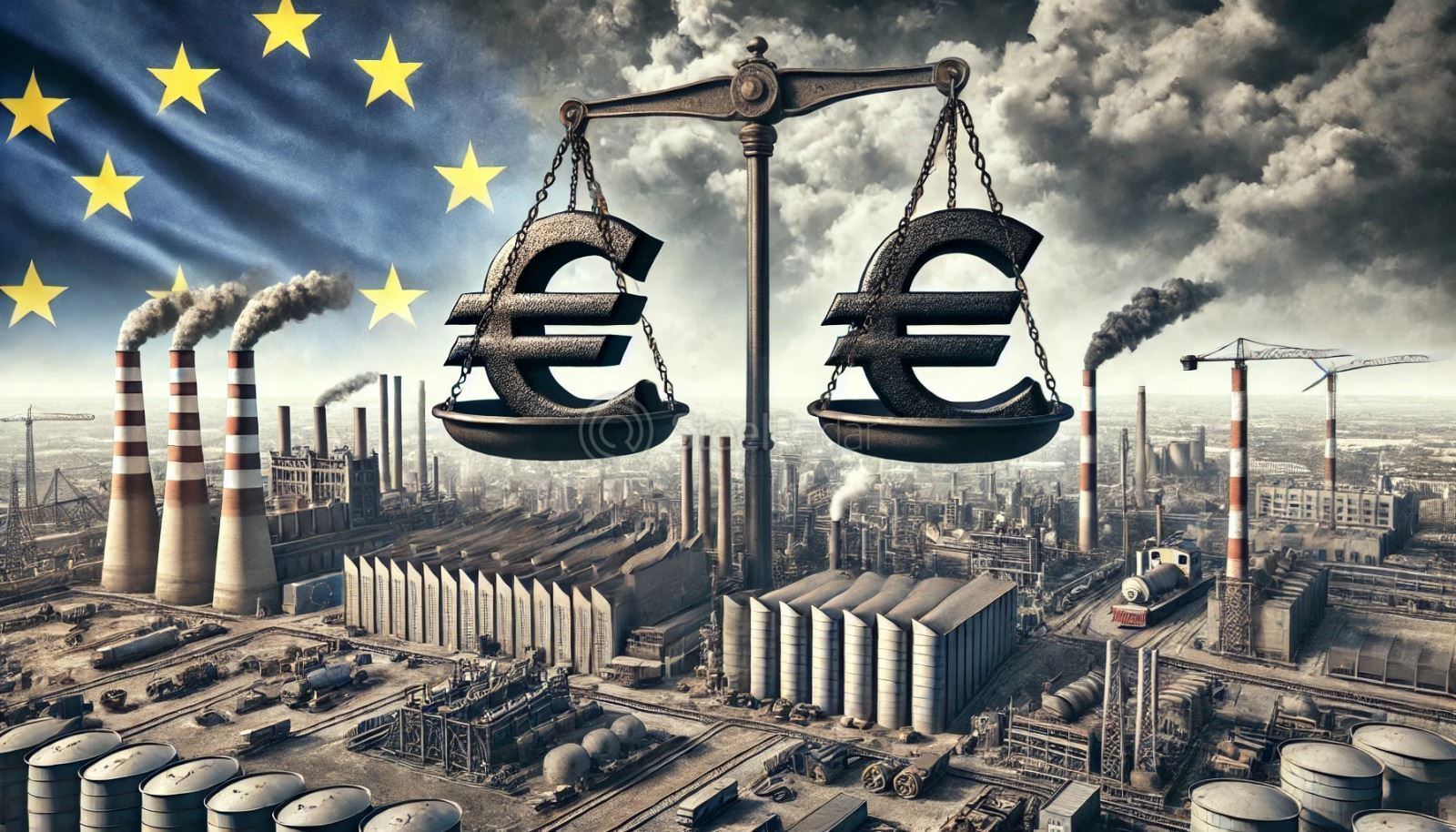
The key focus for European buyers is the CBAM, set to take effect on January 1, 2026. Many importers are expected to accelerate shipments in the fourth quarter to clear goods before the mechanism is enforced. Some Asian producers have already started reflecting CBAM costs in their 2026 delivery quotes, and a few have signaled willingness to partially absorb these costs, potentially reshaping competitive dynamics.
Meanwhile, the European Commission is expected to impose import duties ranging from 25% to 50%, though at this stage it remains unclear which products will be affected. This uncertainty is making European importers even more hesitant to place orders outside the region. Additionally, confirmed anti-dumping duties on HRC imports from Egypt, Japan, and Vietnam, along with planned measures on Chinese steel products, are creating unease across global markets. In particular, these developments have contributed to downward pressure in the Asian billet market.
Stainless Steel Market
Analysts note that the stainless steel sector presents a different picture. Despite weak demand, high stock levels are evident. Turkish buyers, anticipating anti-dumping duties, have purchased above immediate needs, adding further supply pressure. While Far East price offers remain stable, European producers are reportedly planning price increases in the coming weeks. These adjustments are less demand-driven and more aimed at leveraging the uncertainty and complexity introduced by CBAM.
Green Transition and Corporate Developments
Progress toward the EU’s 2030 green transition targets varies widely across member states. In Italy, reports from Edison and TEHA Group indicate that goals are roughly 10 years behind schedule, with high costs and bureaucratic hurdles slowing solar energy projects. Poland plans to triple imported CO₂ quota limits, launching the initiative earlier than initially planned in 2031, expected to support energy-intensive industries. In Sweden, the Stegra project (formerly H2 Green Steel) in Boden faces financial pressures. The plant plans temporary natural gas use, partially suspending government support, yet it maintains the goal of cutting CO₂ emissions by up to 95% through hydrogen-based production.
Corporate activity is also notable. ArcelorMittal has invested in Electrified Thermal Solutions to test Joule Hive™ Thermal Battery technology to decarbonize high-temperature steelmaking. Marcegaglia is partnering with Danieli to build a new mini-mill in Fos-sur-Mer, France, with an annual capacity of 2.1 million mt, expected to come online by mid-2028. Meanwhile, Thyssenkrupp Steel Germany reported a net loss of €255 million in Q3 due to weak demand and falling prices. The company approved a restructuring plan including 11,000 job cuts and a reduction of annual production capacity to 8.7–9.0 million mt by 2030, targeting annual savings of over €100 million.
Overall Outlook
The European steel market is navigating a period of heightened uncertainty on both pricing and policy fronts. With CBAM implementation just months away, importers are accelerating strategic purchases, while producers view the complex environment as an opportunity for price adjustments. In the long term, challenges in achieving the EU’s green transition targets, along with major producers’ restructuring decisions, are set to have significant and lasting impacts on the sector.




Comments
No comment yet.