


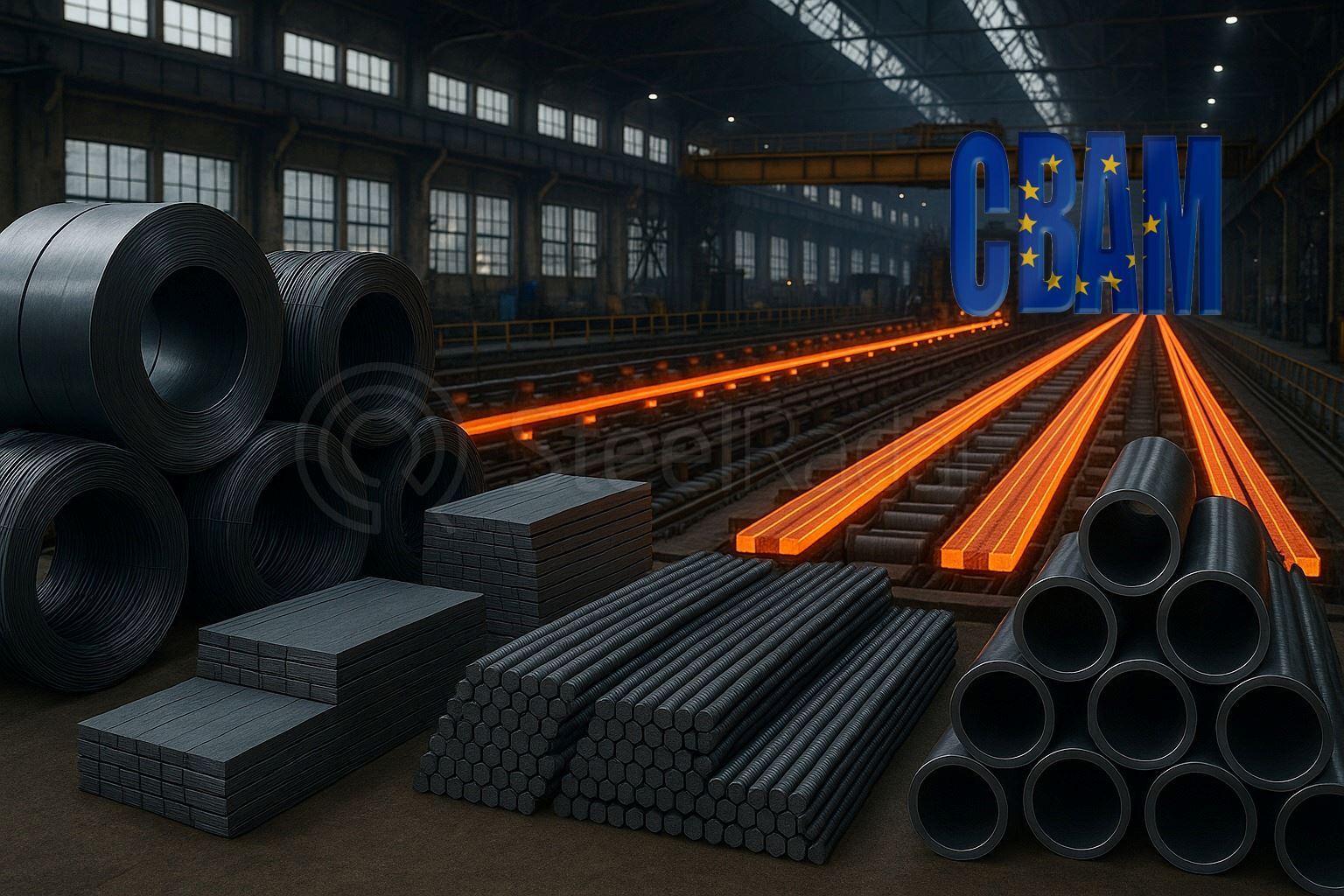
HRC import pressure increases
In the HRC market, prices in Europe have started to fall rapidly. In Italy, HRC prices have fallen as low as EUR 575/ton EXW, while prices in Germany and other regions are trading around EUR 595. In contrast, import offers are much more competitive: Indonesia's HRC offers are trading at EUR 490-500/ton CFR, India at EUR 535-540/ton and Türkiye at EUR 530-545/ton CFR including taxes. This difference puts European producers under margin pressure in an even more difficult situation. Buyer interest in local producers' offers of 610-630 EUR/ton remains limited.
CRC market stable but demand weak
On the CRC side, prices are more stable compared to HRC. Although CRC prices in Germany, Italy and Spain have remained stable at EUR 710-715/ton EXW, sales are limited due to weak end demand. End users are still cautious, with many buyers postponing their purchases in anticipation of further decreases.
Weak project flow leads to lower rebar demand
Rebar prices, on the other hand, vary across countries. In Poland, prices are at EUR 595/ton CPT, while in Italy they are at their lowest at EUR 580/ton EXW. In Germany, rebar is trading at around EUR 660/ton CPT, EUR 620/ton EXW. Spain is in the average range at 620 EUR/ton EXW. However, the common problem is the same in every region: The slowdown in project investments and the stagnation in the construction sector are suppressing demand. On the end-user side, demand is still very weak and buyers are extremely cautious.
Significant weakening in volumes during the summer
Since the beginning of June, trading volumes have been well down. Especially in countries like Italy, the market is almost completely stagnant. Buyers are only looking for need-based and low-tonnage orders. With the start of the summer season, vacations, maintenance shutdowns and uncertainty combine to make the market even more stagnant. Producers are struggling to maintain shipments and are forced to cut prices for July deliveries.
Limited movement in stainless steel, weak demand
The stainless steel market has been stable throughout 2025, with no major fluctuations. Prices have only shown limited fluctuations in the USD 50-100 range since the beginning of the year. Chinese producers continue to offer material to the European market at aggressive prices, but demand remains low. End-users and distributors are postponing their purchasing decisions, which is keeping prices under pressure.
Economic uncertainties in Europe and preparations for a carbon tax are causing producers to be cautious. Low-priced nickel-based products from Indonesia are also increasing competition. The EU's carbon regulations, on the other hand, make it especially difficult to sell products originating from China.
Demand stagnation is likely to continue in the summer months, while the industry is waiting for the fall for a clear direction.
CBAM prospect creates hope for the last quarter
There are different expectations for the last quarter of this year in Europe. The European Union's CBAM (Carbon Border Adjustment Mechanism), which will come into effect in 2026, will significantly increase the cost of imported products. Therefore, importers may act more cautiously and reduce their import purchases in the last quarter of 2025. In particular, the price advantage for outsourced suppliers, such as Türkiye, may turn into a disadvantage after CBAM. For domestic producers, this may create an opportunity to reposition.
Europe faces short-term stagnation, medium-term search for balance
In the current outlook, there is weak hope for a short-term recovery in the European steel market. Many buyers are postponing their purchasing decisions, believing that prices have not yet reached their lows. However, the search for direction may start again in late September-early October. Weaker imports and reduced import pressure due to CBAM are expected to shift demand towards Europe, and with reduced production, the supply-demand balance is expected to shift in favor of European domestic producers. The second half of the year is expected to provide the first signals of this change in direction for European industry players.



Comments
No comment yet.