


Rising Import Pressure and ArcelorMittal’s Price Hike Response
Recent weeks have seen particularly aggressive hot-rolled coil (HRC) offers from Indonesia and India, weighing on domestic pricing across the European market. Indonesian-origin HRC is reportedly being offered to Italy at €450/ton CFR, while Indian-origin material has seen deals between €495–510/ton CFR. Turkish suppliers are also offering in the €490–510/ton range.
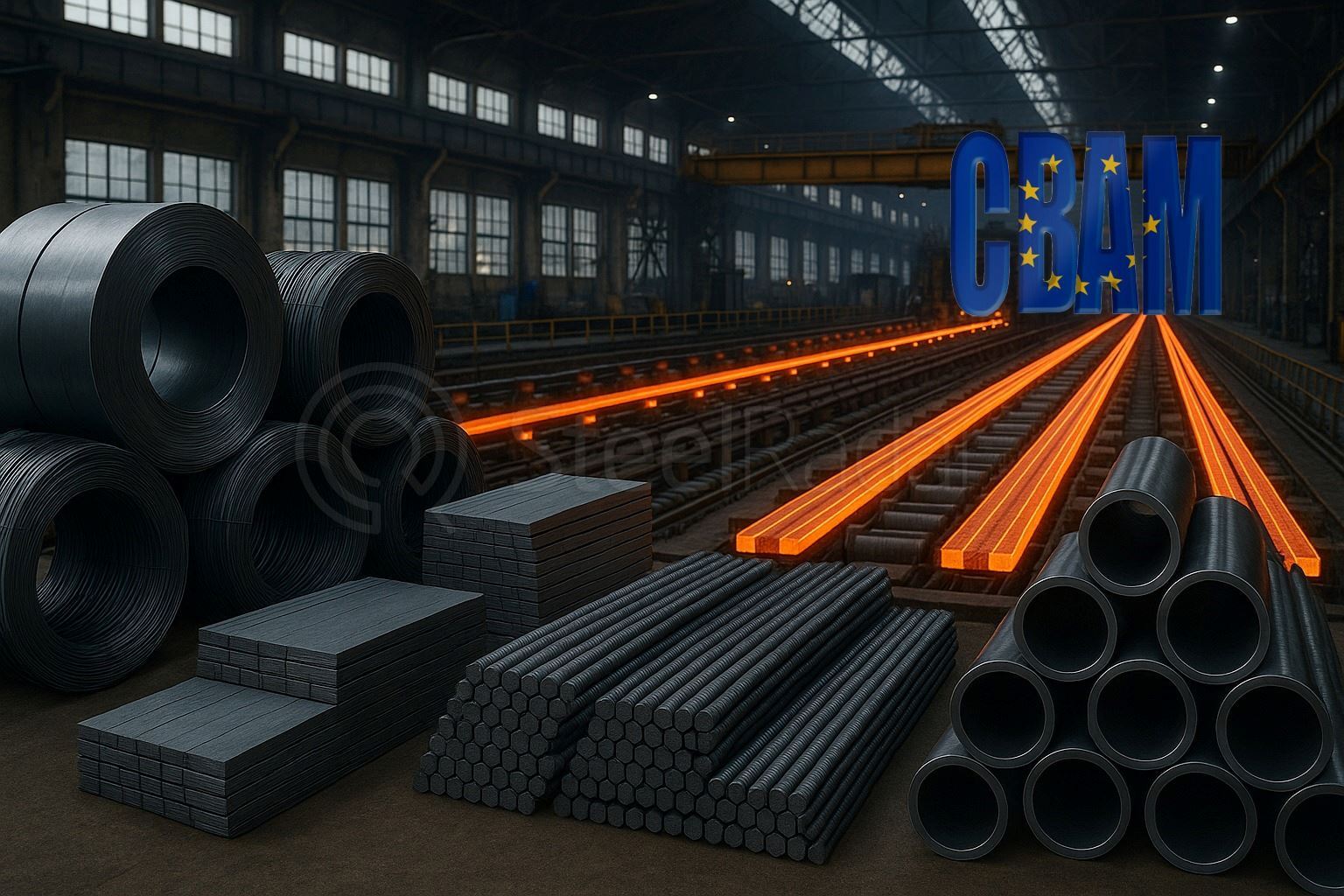
In response, ArcelorMittal raised its HRC prices for October deliveries to Northern Europe, increasing offers by €30/ton to around €590/ton delivered. The move is largely driven by expectations of declining import volumes in the final quarter of the year, with the upcoming Carbon Border Adjustment Mechanism (CBAM) expected to curb import flows and boost domestic demand. However, uncertainties surrounding the CBAM’s implementation continue to delay purchasing decisions across the market.
Indonesia’s Expanding Footprint
Indonesia's presence in the European market is growing rapidly. A recent deal saw approximately 70,000 tons of HRC sold to Italy at €450/ton CFR, with new offers dropping further to the €430–435/ton range. This intensifying competition is putting additional pressure on European producers. Meanwhile, Ukrainian-origin HRC was reportedly sold to Italy at €470/ton CIF for September shipment.
Holiday Season Slows Orders Further
The upcoming August holidays, particularly in Italy, are further slowing order intake. Although the official holiday is only on August 15th, many producers and industrial players begin their summer shutdowns earlier, which is significantly reducing transaction volumes.
Market in Holding Pattern Until September
Overall, the European steel market currently finds itself directionless, weighed down by soft demand and heightened import pressure. Market participants are largely waiting for clearer signs of recovery post-holiday, potentially by September. However, uncertainty remains high. The lack of clarity on CBAM implementation details, coupled with geopolitical risks such as potential U.S. tariffs on EU-origin steel, is keeping buyers cautious.
The European steel market is entering a fragile phase, shaped by seasonal stagnation and external pressures. In the coming months, the impact of CBAM and broader shifts in global trade policy will be pivotal in determining the market’s direction.




Comments
No comment yet.