


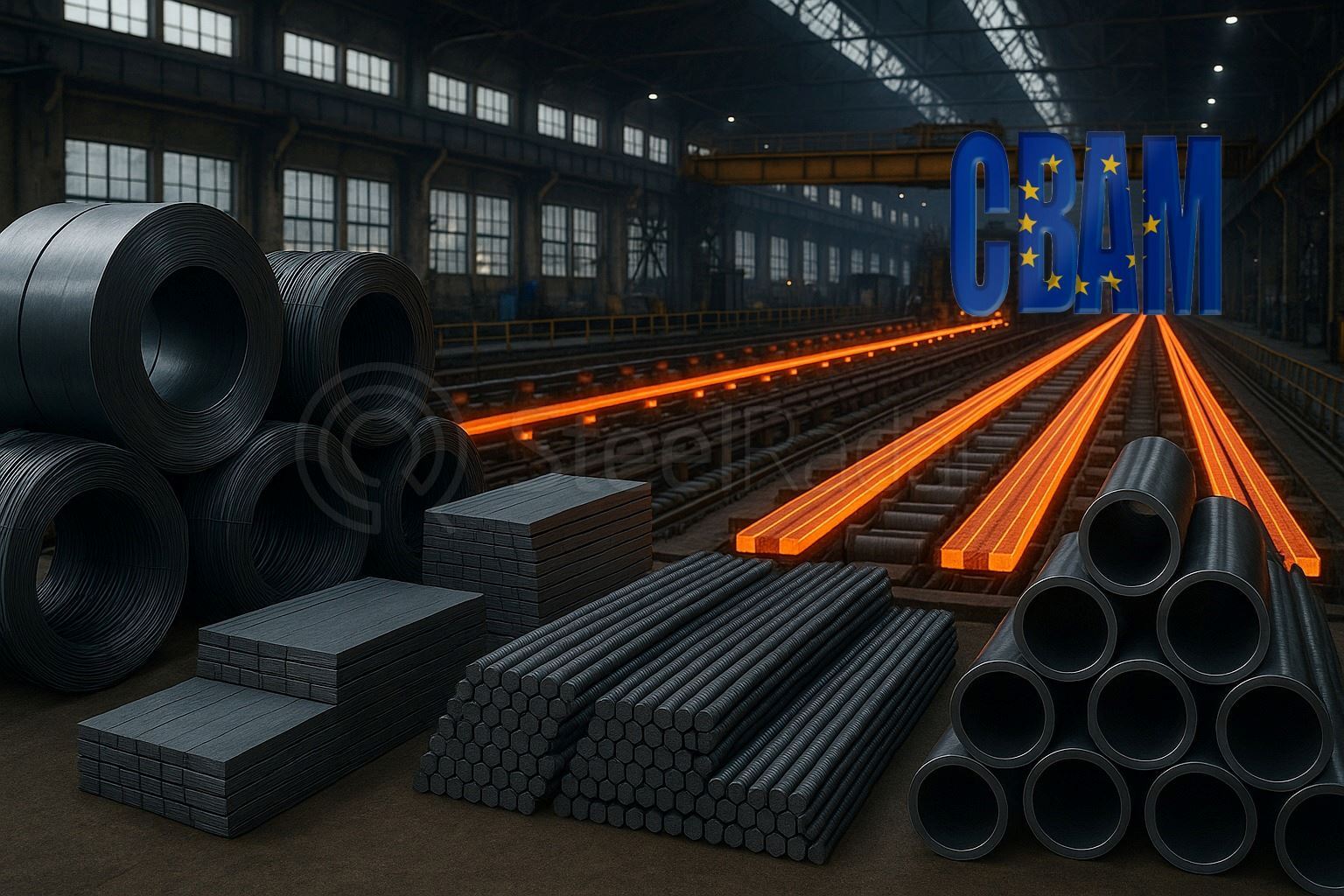
In Italy, the rebar market is showing a noticeable revival. Producers are aggressively stocking up before the summer shutdowns to strengthen their positions ahead of planned factory maintenance. This has pushed prices to around €550-560/ton in northern regions, while prices in the south have reportedly reached up to €580/ton. For deliveries to Austria, Italian-origin rebar is being offered at €600-610/ton. These price increases also reflect regional disparities.
In Germany, rebar prices have reached €615-630/ton. Polish-origin products delivered to Germany are also notable, with prices exceeding €600/ton. This price rise is not solely due to supply and demand dynamics but can also be attributed to a reduction in imported products ahead of CBAM and a growing preference for domestic products. According to market sources, some sellers are attempting to leverage the uncertainty surrounding imports before the carbon tax implementation, as well as the potential tightening of EU protective measures, to push prices higher. While buyers have not fully accepted these higher prices, this approach is influencing sellers’ pricing strategies.
A similar trend is observed in the HRC market. ArcelorMittal announced that it has raised its offers to €610/ton for Q4 deliveries. Market sources indicate that some integrated plants are targeting factory gate prices of €600-610/ton for this delivery period. In Italy, HRC prices are trading between €530-550/ton, while prices in Germany hover around €560-570/ton. Prices for galvanized and cold-rolled products remain stable, although upward pressure continues.
Although CBAM has not yet directly affected import costs, preparations are underway. Slab offers from China, Indonesia, and Brazil are at $505-530/ton CFR Italy. However, long shipping times, approaching quota limits, and additional costs expected from future carbon taxes are reducing demand for imports. This situation makes domestic products more attractive. For example, Indonesian products enjoy a price advantage as they are exempt from EU protective measures; however, sources indicate that last week’s order of over 10,000 tons was likely the last large shipment to reach Europe before CBAM’s implementation. This strengthens the “last chance” perception among importers.
HRC offers from Türkiye and Algeria stand at €520-540/ton. It was noted that Türkiye’s offers, including anti-dumping duties, reach €520-540/ton. Both countries present delivery guarantees before CBAM comes into effect, making them more reliable choices for European buyers. Conversely, offers from India at around €500/ton are viewed cautiously due to long delivery times and nearing quota limits.
Planned maintenance shutdowns by many European producers throughout August are expected to tighten supply. Major manufacturers such as Beltrame, Feralpi, Arvedi, Marcegaglia, and JSW Steel Italy will halt production for 2 to 4 weeks, significantly limiting short-term supply especially for rebar and flat products. These stoppages contribute to upward price trends, while buyers increase their stock levels to strengthen their positions.
In conclusion, the European steel market is experiencing a different pattern of seasonal slowdown this summer. Structural changes brought by CBAM, weakening imports, and strengthened pricing power of domestic producers are driving short-term upward movements. This price increase trend for both rebar and HRC is expected to continue until September. The perception of the domestic market as a more reliable and stable option may place European producers in a more advantageous position in the upcoming period.




Comments
No comment yet.