


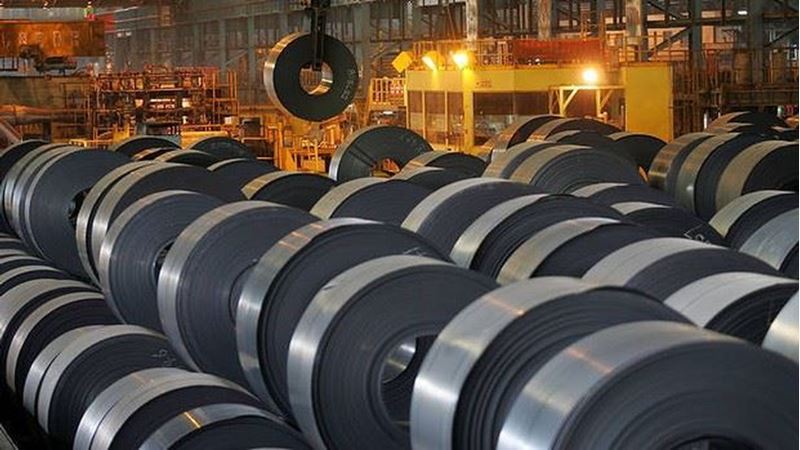
The Egyptian government announced yesterday the implementation of temporary safeguard duties on certain steel products, triggering a rapid increase in steel prices across the market.
According to market sources cited by SteelRadar, Elmarakby Steel and Al-Garhy Steel have raised their rebar prices by EGP 2,100 per ton (approximately USD 42) following the government’s decision. As a result, both companies have increased their ex-works prices to EGP 37,500 (USD 750) per ton, inclusive of 14% VAT.
Al-Garhy Steel raised its ex-works price from EGP 35,500 (USD 710) to EGP 37,500 (USD 750), while Elmarakby Steel moved from EGP 35,400 (USD 708) to the same level, bringing both companies' prices in alignment.
Ayman Al-Ashry, Chairman of Al-Ashry Steel Group, stated that the newly imposed safeguard measure is expected to drive further price increases in the coming period. He added that companies are working on how to gradually reflect this increase in their pricing structures.
A sector representative noted that the safeguard duties could particularly strain small-scale factories, while major producers, especially billet manufacturers like Ezz Steel and Suez Steel, may benefit from expanded opportunities. The same representative warned that price increases could reach up to 16.5%, disproportionately impacting smaller producers.
Another industry expert highlighted that the new measure may also affect hot-rolled steel imports, not just billet. The 13.6% temporary safeguard duty imposed by Egypt is expected to raise import costs, making local producers more competitive. While this could benefit domestic manufacturers, it may also create cost pressures on the construction and manufacturing sectors.
Importers may seek alternative supply sources, potentially redirecting exports from countries like Türkiye, China, and the EU to other markets. Such shifts could alter regional trade flows and contribute to upward pressure on steel prices globally.
According to another market perspective, Egypt’s imposition of a 16.2% temporary safeguard duty on billet imports, along with a minimum charge of EGP 4,613 per ton for 200 days, is likely to impact Türkiye’s steel industry by reducing its competitiveness in one of its key export markets. Consequently, Türkiye’s billet exports to Egypt are expected to decline, prompting exporters to explore alternative destinations such as Saudi Arabia, Algeria, Italy, and Spain. This redirection could lead to increased competition in those markets, potentially pushing prices down even further.
Overall, industry experts agree that the decision will likely increase costs and prices in the short term, while supporting local production and investment in the long run, ultimately benefiting the national economy.




Comments
No comment yet.