


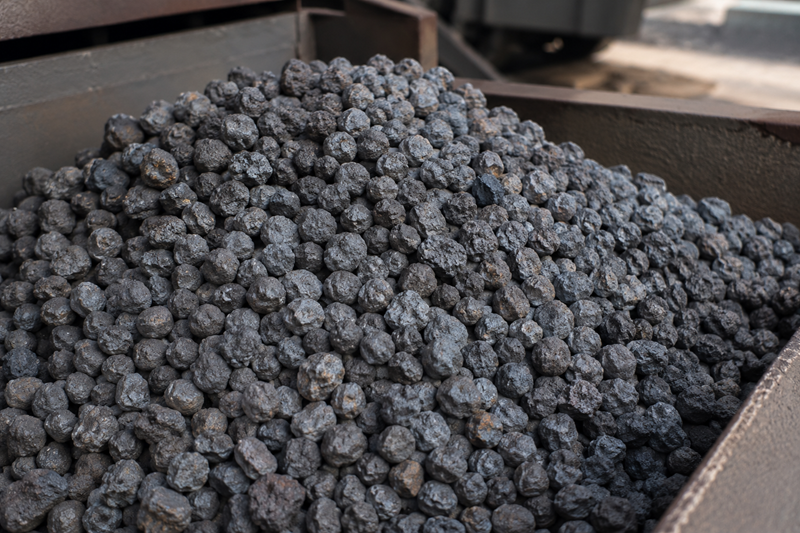
Recent investment decisions show that producers are focusing on strengthening DRI-based production infrastructure rather than completely abandoning blast furnaces.
The tightening of regulations aimed at reducing carbon emissions and the expansion of electric arc furnaces (EAF) are increasing the need for high-quality metallic raw materials. Industry representatives assess that DRI’s strategic importance will further increase in the coming years due to uncertainties surrounding the supply of quality scrap.
Scrap alone may not be sufficient
The global expansion of electric arc furnaces is increasing demand for high-quality scrap while also creating supply-side uncertainties. For this reason, many producers consider increasing the use of DRI and HBI in EAF charging as a strategic choice.
Especially in the production of automotive, white goods, and high-strength flat steel, the use of DRI, which has a more controlled chemical composition, contributes positively to final product quality. This trend shows that DRI will become not only an environmentally friendly alternative but also one of the key inputs for quality-focused production.
This situation makes DRI plants an important part of not only environmental transformation but also supply chain security.
Transition from natural gas to hydrogen planned
Although many DRI plants commissioned today are designed to operate on natural gas, a significant number of projects aim to transition to green hydrogen use in the future. In this way, producers aim to utilize existing energy infrastructure while gradually reducing carbon emissions as hydrogen costs decline.
Especially the Middle East aims to become an important hub in DRI production thanks to its low-cost energy resources and hydrogen investments. In some projects developed in Oman, plants are planned to initially operate with a mixture of natural gas and green hydrogen, with the hydrogen share increasing in the following years.
New criterion in investments: Flexibility
A common feature of recently announced projects is that plants are not dependent on a single fuel type. Producers are investing in flexible systems that can start with natural gas and transition to hydrogen use. This approach aims to create production models that are more resilient against fluctuations in energy prices.
DRI investments are no longer evaluated only under the heading of “green steel.” For steel producers, these investments stand out as a strategic transformation tool that simultaneously addresses goals such as reducing carbon emissions, accessing high-quality metallic raw materials, lowering scrap dependency, and adapting to the future hydrogen economy.
Over the next five years, competition is expected to be shaped not only by crude steel capacity but also by low-carbon DRI production capacity. Producers that adopt DRI technologies early are likely to gain a significant competitive advantage, particularly in the European market due to the impact of carbon regulations.





Comments
No comment yet.