12,369.89 TRY BIST 100 BIST 100
43.17 USD USD USD
6.23 CNY CNY CNY
50.12 EUR EUR EUR
0.12 CNY CNY/EUR CNY/EUR
36.80 TRY Interest Interest
63.54 USD Fossil Oil Fossil Oil
5.87 USD Copper Copper
126.39 USD Silver Silver
106.07 USD Iron Ore Iron Ore
351.00 USD Shipbreaking Scrap Shipbreaking Scrap
6,415.80 TRY Gold (gr) Gold (gr)
106.00 USD Iron Ore 61% Fe Iron Ore 61% Fe

China's steel industry navigating challenges posed by the Red Sea shipping crisis

China's steel industry is closely monitoring the impact of escalating shipping costs due to the Red Sea conflict diverting cargo vessels away from the Suez Canal.

China's steel industry navigating challenges posed by the Red Sea shipping crisis

Despite challenges like a sluggish domestic demand and a construction sector crisis, Chinese steelmakers experienced a notable 36.2% YoY increase in exports in 2023, reaching 90.3 million tonnes—the highest level since 2016.

Simultaneously, the China Association of Automobile Manufacturers reported a significant surge of 63.7% in vehicle exports, totaling 4.1 million units.

While China exceeded its 2023 GDP growth target, reaching 5.2%, there are predictions of a slight decline to 4.6% in 2024 and 4.3% in 2025, according to a broker consensus. The reliance on exports makes the ongoing Red Sea shipping crisis a potential risk to China's GDP growth, with the added concern of exposing overcapacity in the steel industry and impacting prices.

Despite outperforming 2022's crude steel production volumes by November, China's National Bureau of Statistics reported almost flat output in 2023, standing at 1.02 billion tonnes. The challenges faced by shipping companies due to the Red Sea crisis are affecting the appeal of imports to customers in Europe and the United States.

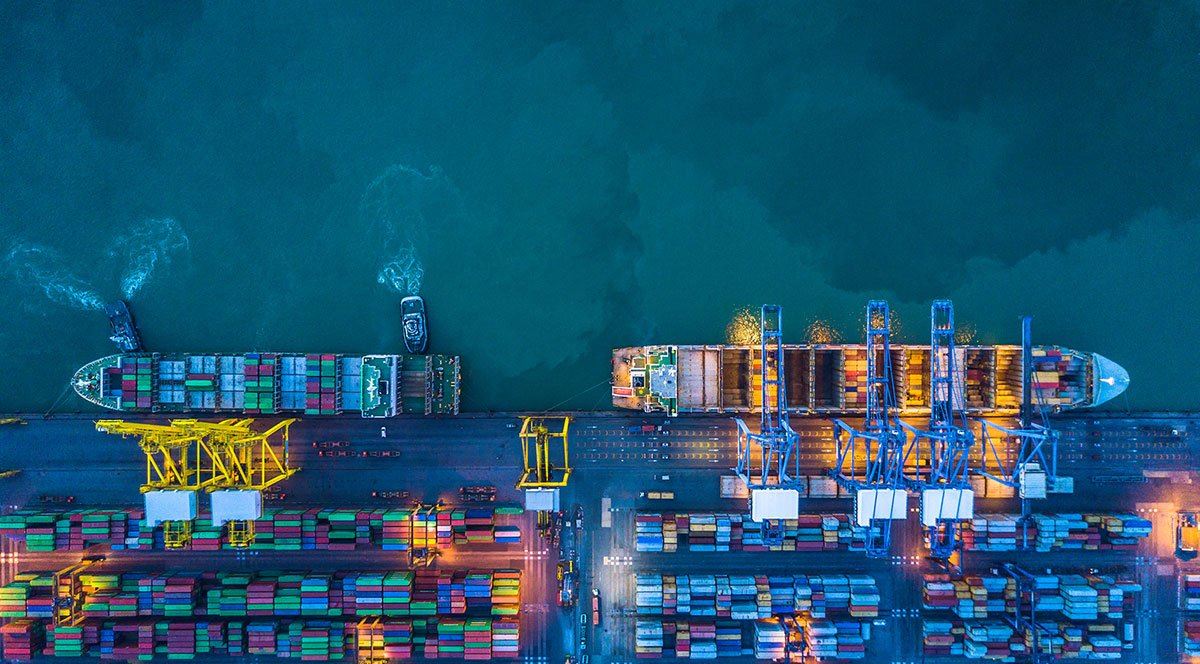
Shipping companies, including Denmark's Maersk, have diverted vessels away from the Suez Canal, and steel shipments have been affected, with a South Korean steelmaker's cargo seized in December. The alternative route around South Africa's Cape of Good Hope has significantly increased shipping distances and times. As of January 18, transport costs rose to USD3,777 per 40-foot container, marking an 82% increase from the same week in 2023 and a 166% surge from the average 2019 rate.

Facing these challenges, some Asian steelmakers have withdrawn from the European market, while others shifted to Free On Board (FOB) offers, requiring buyers to arrange their own transport. Despite these difficulties, China is unlikely to withdraw from the market as it pursues new GDP growth targets in 2024.


Comments

No comment yet.

Only +plus subscribers can access this content.

SUBSCRIBE now to share your thoughts on the markets and get more comments.
SUBSCRIBE If you already have an account Sign In

Most read news

China and Canada reached an agreement on electric vehicle tariffs

Friday, January 16, 2026

The period for purchasing without VAT under the inward processing regime has been extended by 5 years

Saturday, January 17, 2026

Indonesia launched a tax evasion investigation into foreign companies in the steel and construction sectors

Friday, January 16, 2026

Dubai real estate market closed 2025 with records and made a rapid start to 2026

Saturday, January 17, 2026

Hyundai will use humanoid robots in vehicle production starting in 2028

Friday, January 16, 2026
Follow List
Expand
Your watch list is empty

Add your favorite commodities for quick access and don't miss the latest price change news.


There are no news categories you follow
Edit Notification Preferences
E-bulletin subscription
Sign up to receive the latest news and daily iron prices by e-mail and sms
Become a Plus Subscriber Now!
Try it free for 3 days!
Subscribe Now
Neutral Prices
Be informed
Provincial Iron Prices
Comments and Analysis
Subscribe Now