


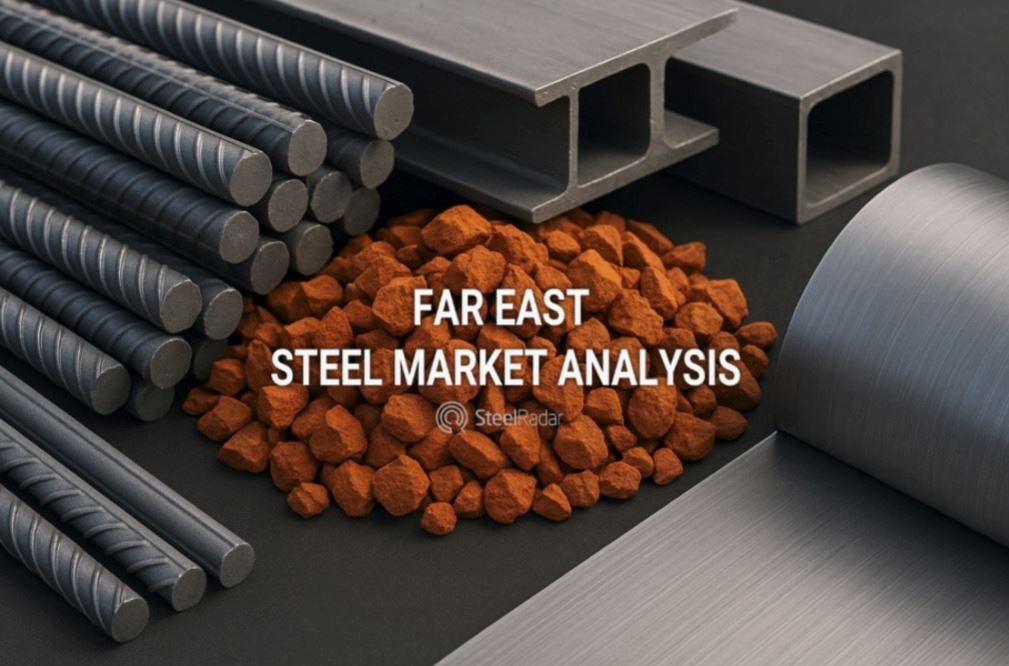
China’s newly implemented steel export licensing requirements may support prices by limiting the availability of low-priced material in the market. The regulation aims to curb low-quality and unregulated exports. Year-end restocking activity has also provided upward support to local prices. Meanwhile, strong demand from India continues to underpin FOB-based prices.
Current China FOB price levels are as follows:
-
Billet: 435 USD/mt
-
Rebar: 460 USD/mt
-
HRC: 464 USD/mt
-
CRC (FOB China): 520 USD/mt
-
CRC (FOB Black Sea): 570 USD/mt
Against this backdrop, Dexin increased its sales prices in line with the recent rise in domestic prices in China.
Concerns over a potential supply gap have intensified after Chinese authorities introduced stricter criteria on coal usage at power plants, raising expectations of higher demand for premium-grade coal. This has triggered a speculative increase in the market.
Under Vietnam’s policies aimed at supporting domestic production (Decree 319), additional steel demand of around 4 million mt is expected for railway projects by 2030.
In India, steel consumption is forecast to record healthy growth of around 8% in the 2026 fiscal year. However, the recent addition of 15–20 million mt of new capacity could create short-term oversupply and price pressure in the domestic market. Moreover, CBAM measures in Europe and trade barriers in the US are limiting export margins for Indian producers.
India’s domestic prices are showing a flat to downward trend on a product basis:
-
Wire rod: decreased to as low as 442 USD/mt
-
HRC: fluctuated in the range of 507–511 USD/mt
-
CRC: around 577 USD/mt
In Australia, heavy rainfall poses a risk to production, potentially tightening supply and keeping prices elevated. On the other hand, many market participants have shifted into holiday mode toward year-end, leading to a noticeable decline in trading activity.




Comments
No comment yet.