


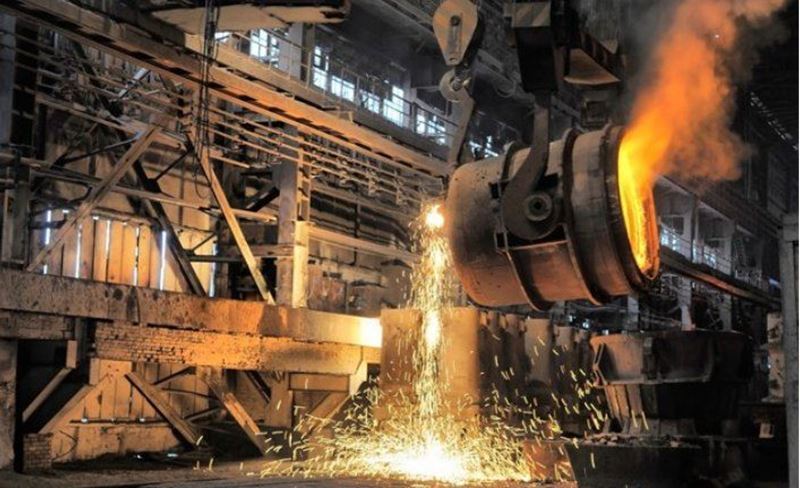
Assofond, the association representing Italian foundries under Confindustria, has warned that the regulation in its current form is producing unsustainable outcomes and has called for an urgent revision in a message to Minister for Enterprise and Made in Italy, Adolfo Urso.
According to Assofond’s assessment, the most critical impact of the mechanism has been the uncertainty in the supply of key raw materials covered by CBAM, such as pig iron, ferroalloys, and primary aluminium. Since the costs of the certificate purchasing obligation, which will take effect from February 2027, have not yet been clarified, the prices of these inputs cannot be calculated as of today. This uncertainty is slowing trade by preventing price formation at both ends of the supply chain, while also creating a serious risk of raw material shortages.
The sector argues that the problems stem not only from implementation, but also from a significant imbalance in the design of the mechanism. While European foundries are required to bear environmental costs for their input materials—raising prices by up to 35%—they cannot benefit from the same protection, as most of their final products are not covered by CBAM.
Assofond President Fabio Zanardi stressed that these raw materials are either not produced in Europe at all or are not available in sufficient quantities to meet domestic demand. He noted that foundries are therefore forced to rely on imports at rising costs, while producers outside the EU can manufacture using cheaper raw materials and sell their products in the European market without paying any carbon cost. According to him, this situation stems from the fact that many customs codes covering cast products have been left outside the CBAM scope, thereby encouraging the relocation of production outside the EU.
To address this imbalance, Assofond and the European Foundry Federation (EFF) have identified more than 35 customs codes covering ferrous and non-ferrous metal castings and have called for these products to be included in the CBAM scope.






Comments
No comment yet.