


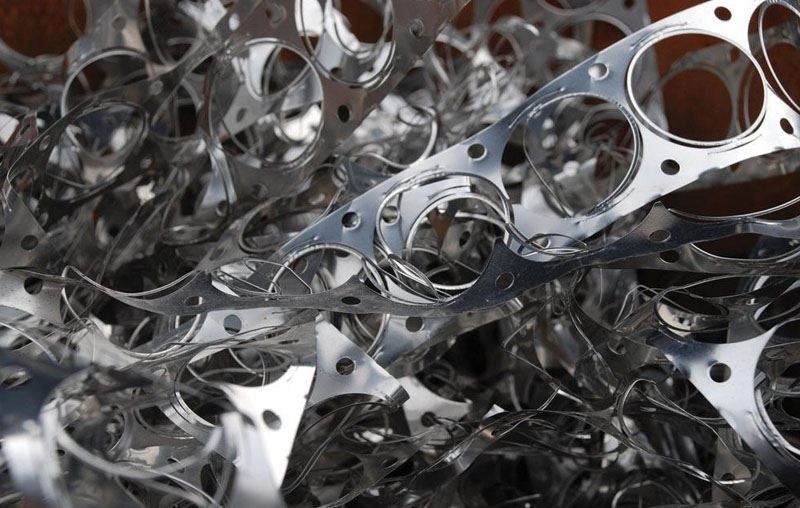
The report stated that scrap demand in Europe remained relatively stable, however imports of nickel pig iron and stainless flat products kept prices under pressure.
While a limited increase was observed in stainless steel demand in Europe in February, the implementation of the EU’s Carbon Border Adjustment Mechanism created uncertainty over the supply demand balance. It was stated that in the long term the mechanism could support European production against high carbon imports from outside the EU.
According to assessments from Italy, the market remains under pressure particularly due to weak demand from the automotive and white goods sectors. High inventory levels across the supply chain are limiting prices, while energy and raw material costs are negatively affecting profitability. Scrap collection and trading activities were reported to remain weak in parallel with low industrial activity.
In Asia, the scrap market became more active after the LME nickel price increased from approximately USD 14,000 per ton in mid December to USD 19,000 per ton at the end of January. Despite the subsequent price decrease, a volatile but dynamic outlook prevailed in the region. In Taiwan, scrap demand remained weak in the last quarter of 2025, while in South Korea consumption was stable but at low levels during the November to January period. It was reported that production returned to normal following the completion of planned maintenance works and demand is expected to stabilize after the Lunar New Year.
In Japan, scrap consumption maintained its stable trend, however export volumes remained low compared to previous years as mills preferred local supply. China’s introduction of export controls on stainless steel products and the requirement of government approval for all coil, flat and long product shipments signaled a new phase in the market. Following Indonesia’s reduction of its nickel ore quota, competition among Chinese producers for stainless steel scrap and nickel pig iron supply increased.
In India, stainless steel production increased by 14% year on year to 4.27 million tons. During the same period, scrap imports increased by 21% to 1.47 million tons. However, due to weak export demand, mills met a significant portion of their scrap needs from domestic sources, which provided advantages in terms of price and credit conditions. The country continued to import semi finished products such as slabs and billets, although supply remained limited.
In the Middle East, demand for stainless steel and special alloys remained stable in the last quarter of 2025, supported by construction, oil and natural gas, and desalination projects. In Saudi Arabia, the largest consumer in the region, a significant portion of projects was met through imports due to insufficient local scrap supply.
It was stated that the full version of the report, together with detailed market analyses, is available in the members only section of BIR’s website.




Comments
No comment yet.