


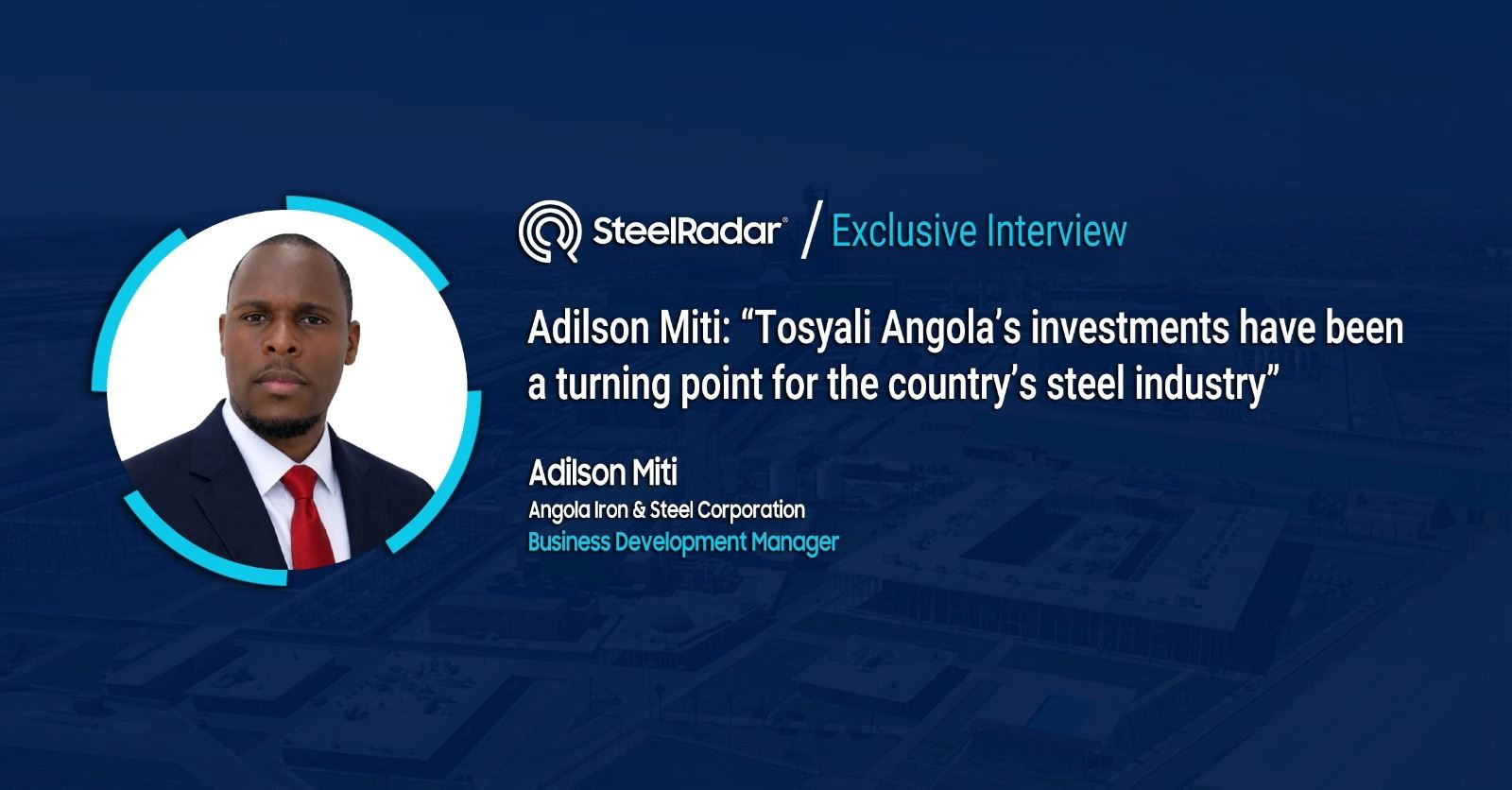
Could you briefly tell us about yourself?
I have more than ten years of experience in sales, business development and procurement. Throughout my career, I have focused on building strong customer relationships, developing strategic business partnerships and establishing sustainable supply chains.
I currently work in Angola’s steel industry, where I am involved in raw material sourcing and commercial development. My role involves working closely with suppliers, industry partners and customers to ensure a reliable supply of raw materials while supporting the company’s commercial growth. I am passionate about contributing to the development of Angola’s industrial sector and creating long-term value through strategic business initiatives.
How do you assess the current outlook for Angola’s steel industry? What do you see as the biggest opportunities and challenges for the sector over the next few years?
I believe Angola’s steel industry has a very promising future. Increasing investments in infrastructure, housing, mining and manufacturing are driving demand for steel products. At the same time, the government’s commitment to industrialisation and import substitution is creating significant opportunities for local producers.
However, the sector also faces important challenges. Ensuring a stable supply of quality raw materials, developing logistics infrastructure, managing energy costs and competing with imported steel are among the key issues. Companies that invest in operational efficiency, technology, sustainability and strong supply chain management will have significant advantages in positioning themselves as market leaders in the coming years.
“Tosyali Angola’s investments represent an important turning point for the country’s industrial development”
Tosyali Angola has become an important player in the country’s steel industry. How do you think the company’s investments are affecting the local market and the overall development of Angola’s steel industry?
Tosyali Angola’s investments represent an important turning point for the country’s industrial development. Large-scale investments in steel production are contributing to increased domestic production capacity, the creation of skilled employment opportunities and reduced dependence on imported steel products.
In addition, such investments promote higher industry standards, technological advancement and stronger competition, ultimately benefiting both customers and the national economy. They also create opportunities for local suppliers and service providers to participate in a more integrated industrial value chain.
The Zanaga Iron Ore Project is attracting significant attention across the region. How do you think the development of this project could affect raw material supply and the future competitiveness of the steel industry in Central and Southern Africa?
The Zanaga Iron Ore Project has the potential to become a strategic source of high-quality iron ore for Central and Southern Africa. If successfully developed, the project could improve raw material supply in the region, reduce dependence on international suppliers and enhance the competitiveness of steel producers across the region.
For companies operating in countries such as Angola, access to a more reliable regional source of supply could strengthen supply chain resilience, reduce transportation costs and support long-term industrial growth. However, achieving these benefits will also depend on investments in transport infrastructure, regional trade integration and the development of efficient logistics networks.



Comments
No comment yet.