



Metallurgical raw material prices surge despite weak demand
Russia's coking coal market recorded one of its sharpest monthly increases in recent years, with prices rising by 21–31% in July. In some regions, quotations reached RUB 14,400/mt, while several coal grades exceeded last year's levels by 9–22%.
The increase was largely driven by export markets rather than domestic demand. Export prices for Zh-grade coking coal climbed to around $156/mt FOB Far East, nearly 60% higher year-on-year, while western export prices reached approximately $123/mt FOB Gulf of Finland, up almost 26% from a year earlier. Higher export profitability encouraged producers to redirect volumes overseas, tightening domestic supply and supporting local prices.
The temporary recovery in steelmakers' operating rates after the spring slowdown also contributed to stronger short-term raw material demand before scheduled maintenance outages begin.
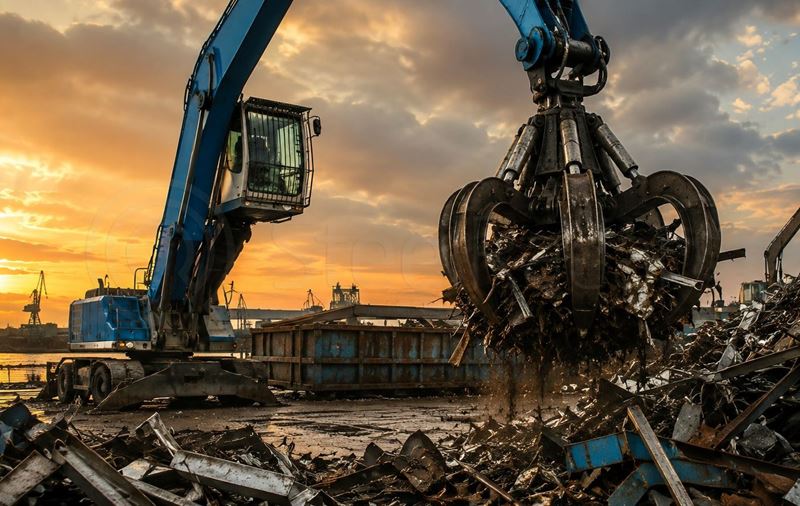
The rise in coking coal prices has also pushed up costs across the steelmaking chain. Russian scrap prices increased by around 14% during July to approximately RUB 21,500/mt, reaching their highest level since 2025. Prices for hot briquetted iron (HBI), silicomanganese and zinc concentrate also strengthened as higher energy and logistics costs continued to increase production expenses throughout the supply chain.
However, the price rally contrasts sharply with underlying demand conditions. Domestic steel consumption remained weak during the first half of 2026, declining by around 7.5% year-on-year. Although the pace of contraction slowed during the second quarter to around 3.5%, this was mainly supported by seasonal construction activity and government infrastructure projects rather than a broad recovery in industrial demand.
Market participants expect the recent increase in raw material prices to lose momentum. Global coking coal prices have already started to soften, while domestic inventories are gradually increasing. In addition, several major Russian steelmakers are scheduled to begin blast furnace maintenance in August, reducing steel output and, consequently, demand for coking coal.
Steel production remains below last year's levels
According to official statistics, Russia's metallurgical production declined by 3.4% year-on-year in June, although it increased by 5.2% compared with May due to seasonal factors. During the first six months of 2026, overall metallurgical production fell by 9.3% compared with the same period last year.
Production of carbon steel and semi-finished products reached 5.0 million tonnes in June, up 9.5% year-on-year and 5.1% month-on-month. Nevertheless, first-half production totaled 26.4 million tonnes, remaining 4.6% below last year's level.
Output of alloy steel declined more sharply, falling to 0.9 million tonnes in June and down 19.2% during the first half of the year. Finished rolled steel production reached 4.9 million tonnes in June, remaining broadly stable year-on-year but declining 4.5% from May. First-half finished steel production fell by 6.6% to 27.2 million tonnes.
Steel pipe production totaled 0.9 million tonnes in June, decreasing by 5.6% year-on-year despite a monthly recovery. Production during the first half dropped by 22%, highlighting the continued weakness in investment-related sectors.
The broader trend confirms that Russia's steel industry is still adapting to significantly lower domestic demand following the sharp contraction experienced in 2025. Domestic steel consumption last year fell to approximately 38.9 million tonnes, the lowest level since 2011, and expectations for the second half of 2026 remain cautious.
Production continued to weaken throughout the first quarter. Steel output fell by 5% in January and nearly 12% in February, while pipe production recorded particularly steep declines. By the end of the first quarter, crude steel production had fallen by more than 10% year-on-year, with finished steel output down over 6%.
Demand also remained under pressure. Consumption of flat steel products is estimated to have declined by around 12% during the first quarter, while long steel demand fell by approximately 9%. Even the traditional seasonal improvement from spring construction activity proved weaker than usual this year.
Domestic steel prices continue to rise
Despite weak demand, Russian steel prices continued moving higher during July as producers attempted to offset increasing production costs.
The flat steel market maintained an upward trend, with mills preparing significant price increases for August deliveries. Distributors also continued revising price lists upward. In Moscow, average prices for 4 mm hot rolled coil have increased by nearly RUB 2,500/mt since the beginning of July, reaching their highest level in approximately one and a half years.
However, actual transaction activity remains mixed. Buyers are willing to pay higher prices for products experiencing supply shortages, while prices for standard HRC grades and welded pipes have shown more limited movement due to competitive pressure.
The long steel market experienced an even stronger rally. Rebar prices quoted by Moscow distributors have increased by more than 15% since the beginning of July and have risen by over 50% compared with February lows. Mills are preparing another substantial round of price increases for August, supported by ongoing fuel and logistics challenges, limited supply and moderate construction demand.
Supply remains constrained in both the primary and spot markets, as producers remain reluctant to increase output while uncertainty surrounding monetary policy and future demand persists.
Exports continue to compensate for weak domestic demand
With domestic consumption remaining depressed, exports continue to play an increasingly important role for Russian steel producers.
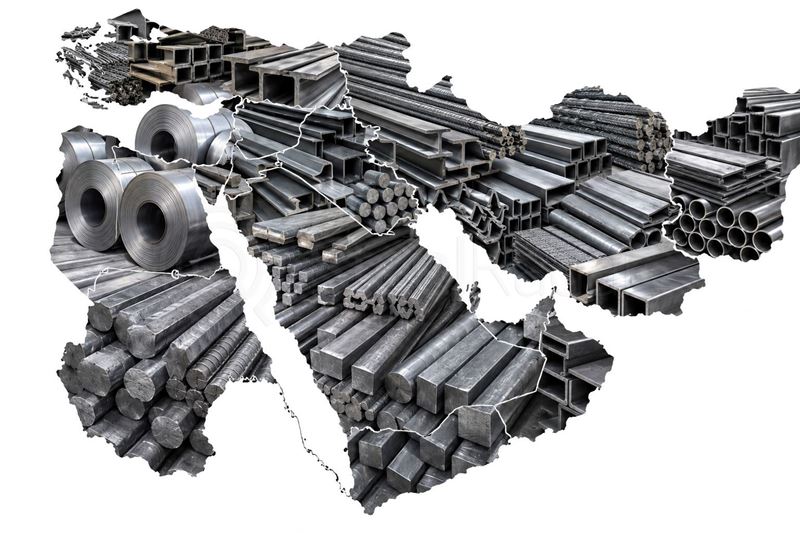
According to industry estimates, Russian exports of ferrous metals and steel products increased by around 4% in value terms and approximately 17% in volume during 2025 compared with the previous year. Export flows continued shifting toward CIS countries and the Middle East, where demand remained relatively stronger. Shipments to the Middle East increased by nearly 30%, while exports to Türkiye, Israel and the UAE also expanded.
Türkiye remained Russia's largest export destination despite protective trade measures, with Russian suppliers strengthening their position in the market. Exports to India also increased, although the country's growing domestic steel capacity may limit future import opportunities.
Meanwhile, exports to China declined sharply due to the prolonged weakness in China's property sector, while shipments to African markets were negatively affected by the stronger ruble and lower international steel prices.
The product mix of Russian steel exports also changed during 2025. Shipments of non-alloy steel semi-finished products and flat steel recovered, while pig iron exports increased. In contrast, exports of large-diameter pipes fell significantly. Market participants expect demand for these products to improve only if major oil and gas infrastructure projects move forward.
The expansion of exports has largely been driven by the contraction of Russia's domestic steel market, where consumption has fallen to around 38–39 million tonnes. According to market estimates, domestic steel demand has declined by approximately 30% over the past three years. Although most analysts expect domestic and international demand to remain weak through 2026, a gradual recovery is anticipated in 2027 if economic conditions improve.




Comments
No comment yet.