


According to the federation, such targeted demand-side incentives are critical to accelerating the steel industry’s transition to climate neutrality, as low-emission products produced at high cost under current conditions are not yet competitive.
WV Stahl Managing Director Kerstin Maria Rippel stated the Commission’s proposal sends a strong political signal for Germany as an industrial hub and represents an important step towards creating a lead market within the automotive sector. She stressed that low-emission steel produced in Germany and the EU is a cornerstone of a sustainable, resilient and climate-neutral industrial structure, adding that market-based incentives are needed across the entire European value chain, starting with the basic materials industry, to achieve this goal. Rippel also underlined that implementation will be critical to the success of the initiative, calling for simplified requirements, transparent verification and crediting systems, as well as gradually increasing targets for low-emission steel.
The package’s concrete proposal to revise CO₂ emission standards for new passenger cars and light commercial vehicles was particularly welcomed by the sector. Under the proposal, low-emission steel produced exclusively in the EU would, for the first time, be credited towards meeting fleet emission limits. The crediting framework envisaged for 2035 targets a seven percent reduction compared with 2021 levels. WV Stahl emphasised that setting interim targets for the period leading up to 2035 is now essential in order to generate a genuine lead-market effect.
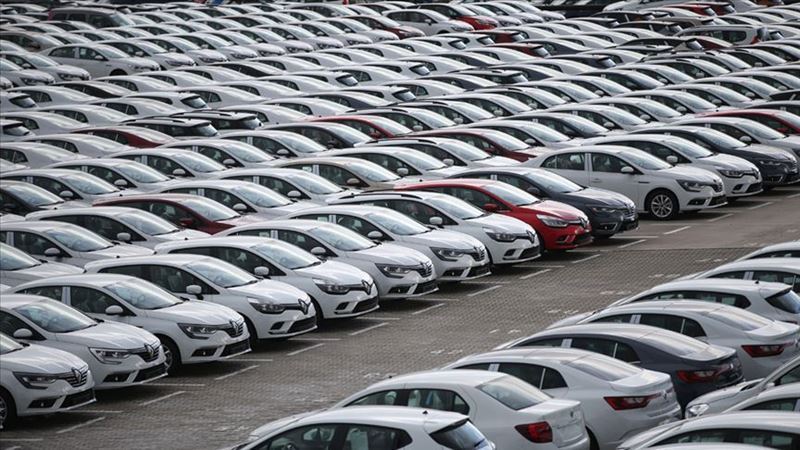
With around 30% of steel demand in Europe coming from the automotive sector, the industry is seen as ideally placed to serve as a lead market for low-emission steel. The German Steel Federation believes that, if implemented effectively, the automotive package could both support the transformation of the steel sector and strengthen the competitiveness of European industry.



Comments
No comment yet.