


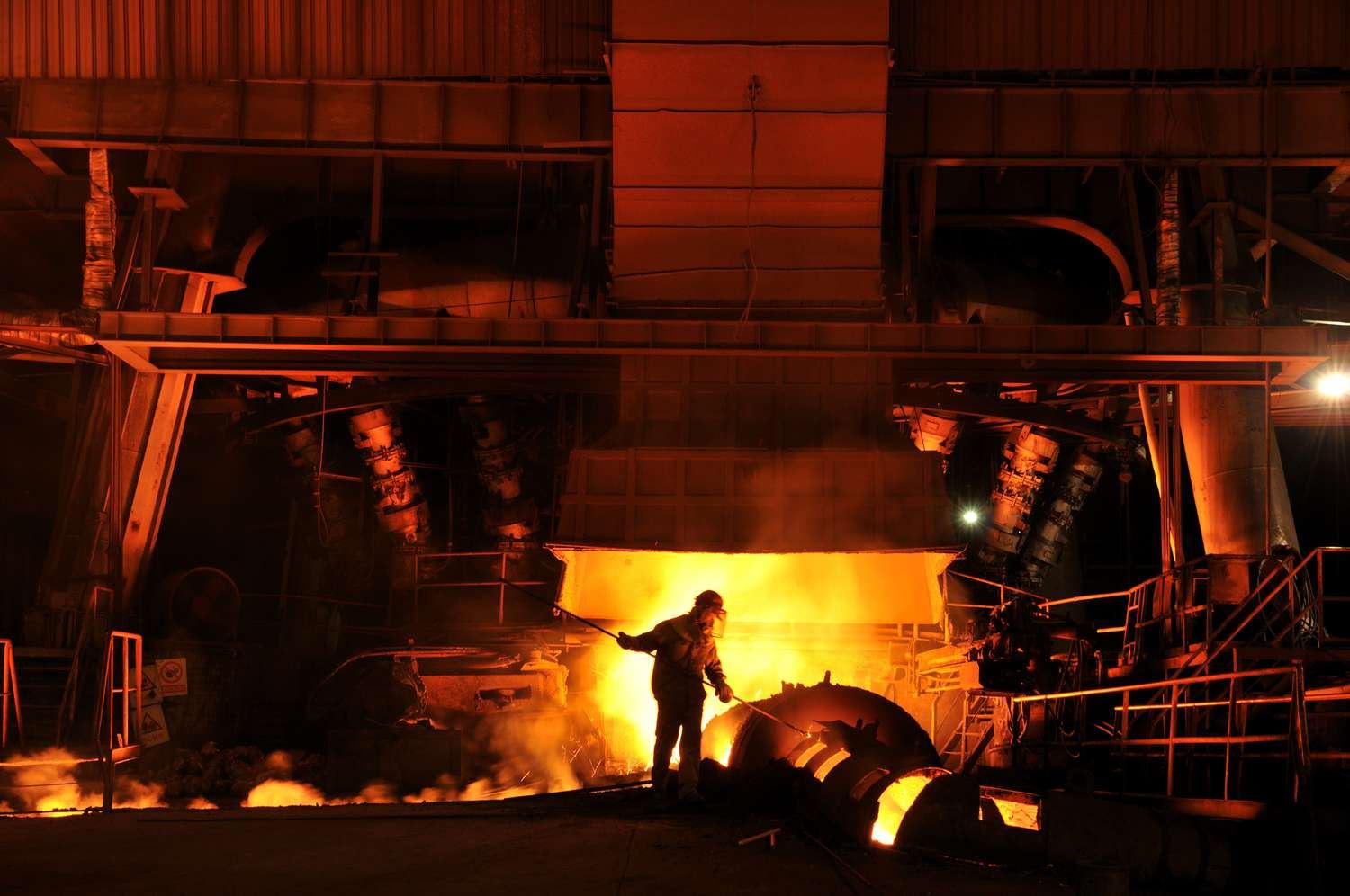
Oman is advancing toward becoming a global center for green iron and steel production as part of its broader industrial transformation strategy. A new report released on 26 January by the Institute for Energy Economics and Financial Analysis (IEEFA) states that the country is building a strategic foundation for transitioning from natural gas to green hydrogen by developing flexible technologies compatible with hydrogen use in direct reduced iron (DRI) plants.
Strong industrial infrastructure and investments
IEEFA highlights that Oman is among the few countries in the MENA region with an integrated steel production value chain. With pelletizing facilities, DRI production, and electric arc furnaces, the country holds a structural advantage in shifting toward low-emission production. Planned investments in Duqm aim to establish approximately 12.5 million tonnes per year of DRI/HBI capacity.
According to the report, new facilities are being designed to be compatible with hydrogen use. While natural gas is expected to be used initially, the long-term goal is to increase the share of hydrogen. This transition will be decisive in positioning Omani products as “green steel” in international markets.
Renewable energy and hydrogen targets
Oman’s high solar and wind potential supports the clean energy infrastructure required for hydrogen production. The country plans to reach an annual green hydrogen production capacity of 1–1.5 million tonnes by 2030. This target forms the backbone of its strategy to reduce carbon intensity in the steel sector.
IEEFA notes that Oman’s strategic geographic location, investor-friendly regulatory framework, and energy resources could position the country as a competitive player in the global low-carbon steel supply chain. Growing demand for green steel in Europe and Asia, in particular, may further strengthen Oman’s export potential.




Comments
No comment yet.