


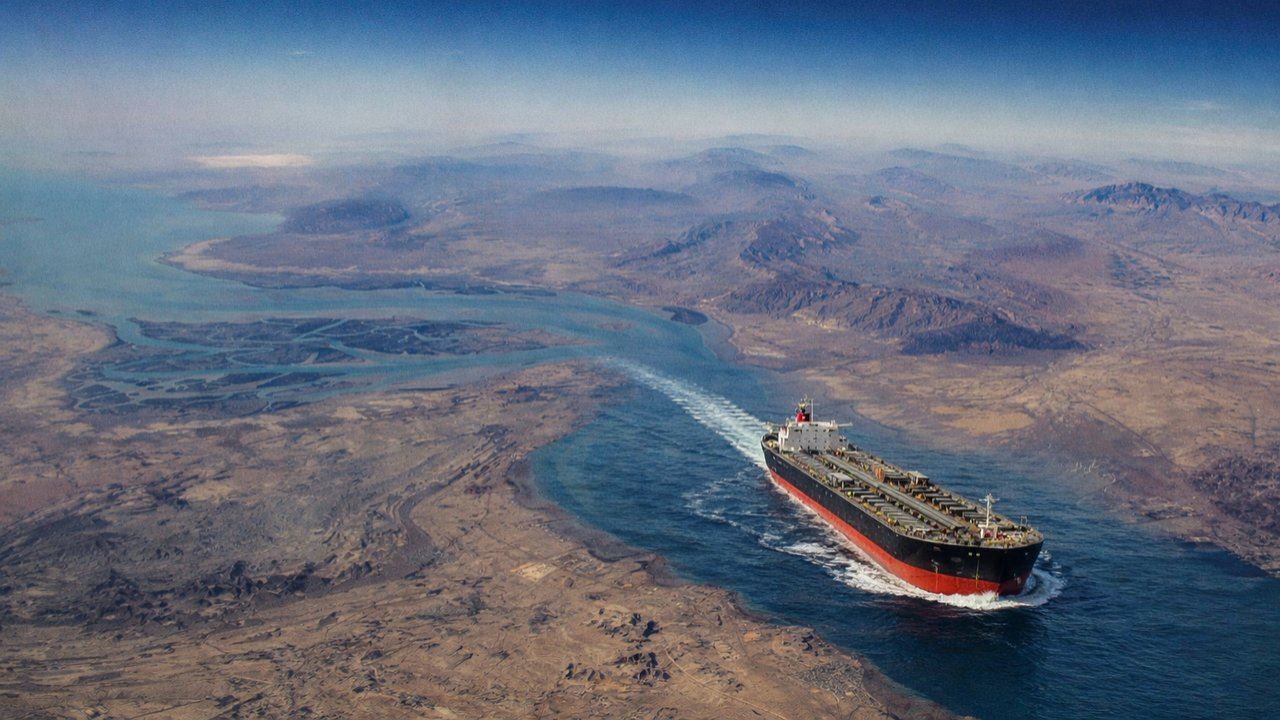
Tensions in the Middle East continue to rise. The possibility of Houthi involvement in the conflict is reported to be causing concern in markets. Following intensified attacks by the Iran-aligned Houthis along Yemen’s western Tihama coast, clashes are reportedly spreading toward the Bab el-Mandeb Strait, which is critical for global maritime trade.
In the event of a closure of Bab el-Mandeb, significant congestion on the Cape of Good Hope route is expected. Northern Somalia is no longer seen only as a region of small fishing vessels and pirates but has become a risky “grey zone” threatening alternative routes to the Suez Canal.
Statements from the U.S. regarding possible ground operations and Kharg Island are reported to reinforce expectations that the conflict could continue for another 4–6 weeks. Analysts emphasize that it is critical for the conflict to end before strategic allies become involved.
Regional experts note that carriers have applied war risk surcharges, insurance premiums have increased, and many vessels are opting for the Cape of Good Hope instead of the Red Sea. Due to heavy use of this route, countries dependent on East African routes are reported to be most at risk, while West Africa faces indirect pressure from rising freight rates and limited capacity. Overall, the market remains active, but businesses are advised to prepare for higher costs and potential delays.
Meanwhile, statements by Iranian officials suggesting a possible closure of Bab el-Mandeb have led to interpretations that the military activity on the ground may be part of a broader regional strategy. Bab el-Mandeb, which connects the Red Sea to the Indian Ocean, is a narrow strait through which a significant portion of global trade passes. Any escalation in the region is therefore expected to have direct impacts on energy markets and international trade.






Comments
No comment yet.