


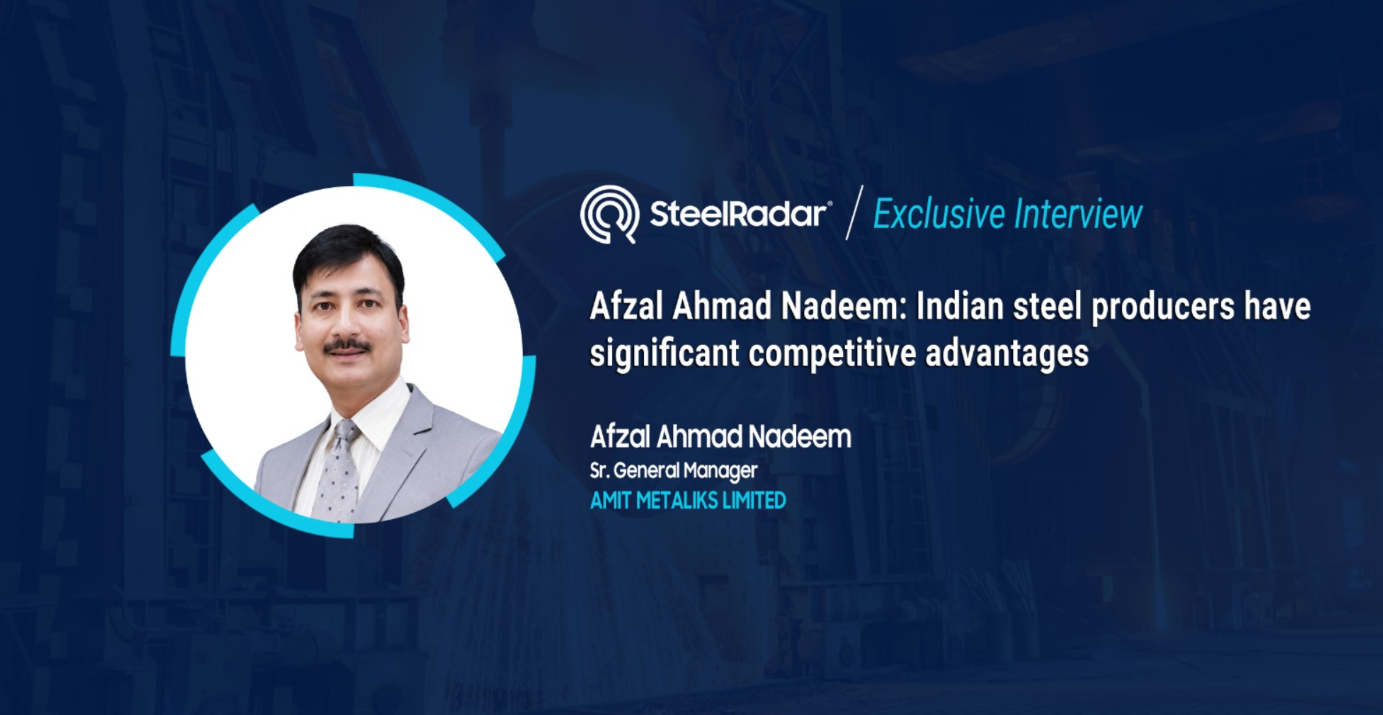
Nadeem stated that infrastructure investments and strong domestic demand will continue to support the growth of India's steel industry, while emphasizing that long-term success depends not only on protective trade policies but also on product quality, operational efficiency, and a customer-focused approach.
India has become one of the world's fastest-growing steel markets in recent years. What do you believe will be the key factors supporting this growth in the coming years? Will infrastructure investments and the manufacturing sector be able to sustain this momentum?
From a sales and marketing perspective, I believe steel demand in India will remain strong in the coming years. The main growth drivers will be infrastructure investments, the housing sector, industrial investments, and expanding manufacturing activities.
Government investments in highways, railways, metro systems, airports, ports, and smart city projects will continue to support demand, particularly for long steel products such as TMT rebars. At the same time, rapid urbanization and rising income levels are encouraging residential and commercial construction. Growth in the automotive, engineering, renewable energy, and capital goods sectors will also increase demand for both flat and long steel products. Based on my experience, customers today are no longer focused solely on price. Product quality, technical support, reliable deliveries, and a strong dealer network all play a vital role in purchasing decisions. Companies that can combine these strengths with consistent supply will capture greater market share and achieve sustainable growth.
"Protective policies alone are not enough for success"
The Indian government has introduced various trade measures to protect domestic steel producers. How do you think these policies affect the industry's competitiveness? What impact could they have on global steel trade?
Having worked closely with dealers, distributors, and project customers, I believe trade protection measures provide important stability for the domestic steel industry. When imported products enter the market at unfairly low prices, domestic producers face pressure on pricing, production planning, and profitability. Safeguard measures and quality control regulations help create a fair competitive environment while encouraging capacity expansion, technology investments, and improvements in product quality. However, protective policies alone are not enough for long-term success. Steel producers must continuously improve product quality, customer service, logistics, and cost efficiency. Ultimately, customers prefer suppliers that consistently deliver value. From a global perspective, these measures may influence trade flows in the short term. In the long run, however, a steel producer's competitiveness will depend more on operational efficiency, product quality, and customer relationships than on policy support.
China continues to shape the global steel market through its strong export presence and high export volumes. How does this affect competition for Indian steel producers? What do you see as their key competitive advantages?
"Indian steel producers have significant competitive advantages"
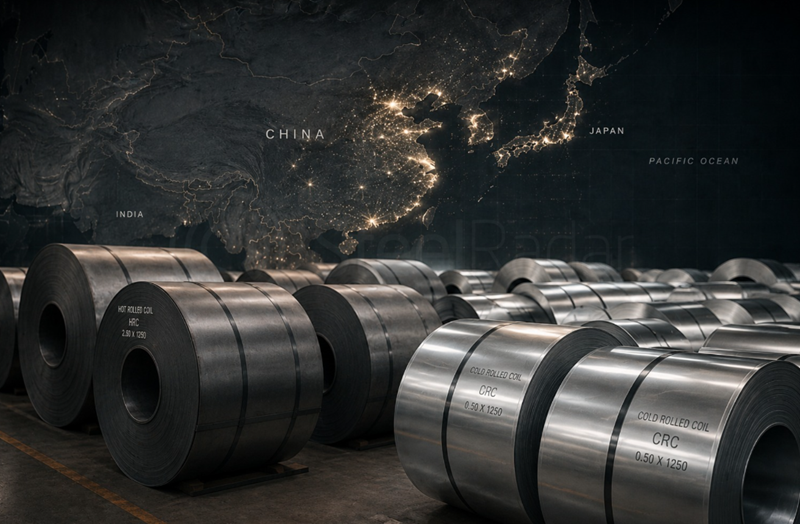
China's large export volumes have a considerable impact on international steel prices, creating pricing pressure in many markets, particularly during periods of weak global demand. Despite this, Indian steel producers possess several important competitive advantages. The first is the country's rapidly expanding domestic market, which provides producers with a stable foundation for growth. In recent years, Indian steelmakers have also made significant progress in product quality, manufacturing technology, and compliance with international standards.
From a commercial standpoint, strong dealer networks, close customer relationships, and the ability to provide fast service are major strengths. Logistical advantages, shorter delivery times, and well-established trade relationships with neighboring markets such as Nepal, Bhutan, and Bangladesh further enhance the competitiveness of Indian producers. In my opinion, Indian steel companies should focus on creating value rather than competing solely on price. Consistent quality, reliable deliveries, technical support, and after-sales service are the foundations of long-term customer loyalty.
"Customers today are far more quality conscious"
Based on your extensive experience across South Asian markets, including India, Nepal, Bangladesh, and Bhutan, what are the most significant changes you have observed in regional steel demand and trade flows? Which markets do you expect to stand out in the coming years?
Having worked in India, Nepal, Bhutan, and Bangladesh, I have witnessed a significant transformation in the regional steel market over recent years. Across South Asia, infrastructure investment has become the primary driver of steel demand. Governments are investing heavily in roads, bridges, energy projects, urban development, and industrial infrastructure, which continues to support steel consumption throughout the region. Another notable trend is the growing demand for branded, certified, and high-strength TMT products. Customers today are much more quality conscious. Contractors and developers increasingly prefer trusted brands that offer consistent quality and technical assurance rather than simply the lowest price.
Looking ahead, India will remain the region's leading market thanks to its scale, infrastructure investments, and expanding production capacity. Bangladesh offers strong growth potential driven by industrialization and urbanization, while Nepal will create new opportunities through hydropower and infrastructure projects. Bhutan is also expected to continue benefiting from regional trade and construction activity. From a commercial perspective, I believe the companies that will succeed in South Asia are those that establish strong distribution networks, maintain consistent product quality, ensure reliable supply, and build long-term partnerships with dealers, contractors, and institutional customers. In today's market, sustainable growth is achieved not simply by selling steel, but by delivering trust and long-term value to customers.




Yorumlar
Henüz yorum yapılmadı