


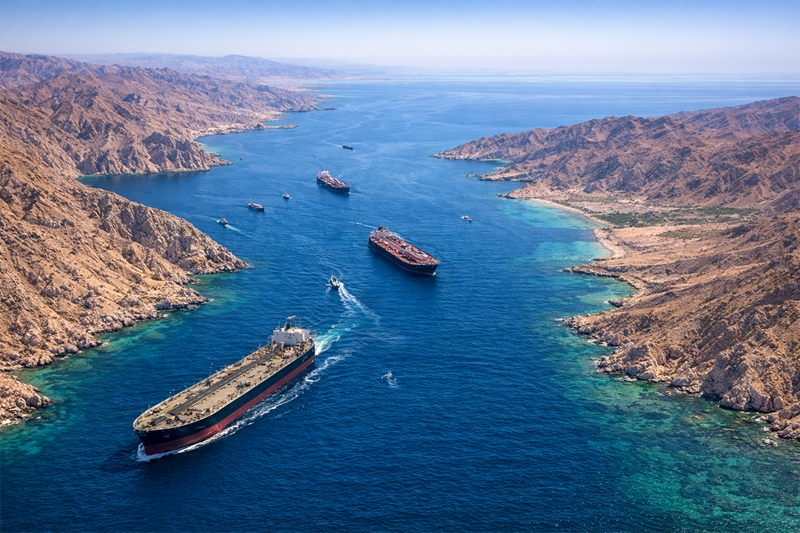
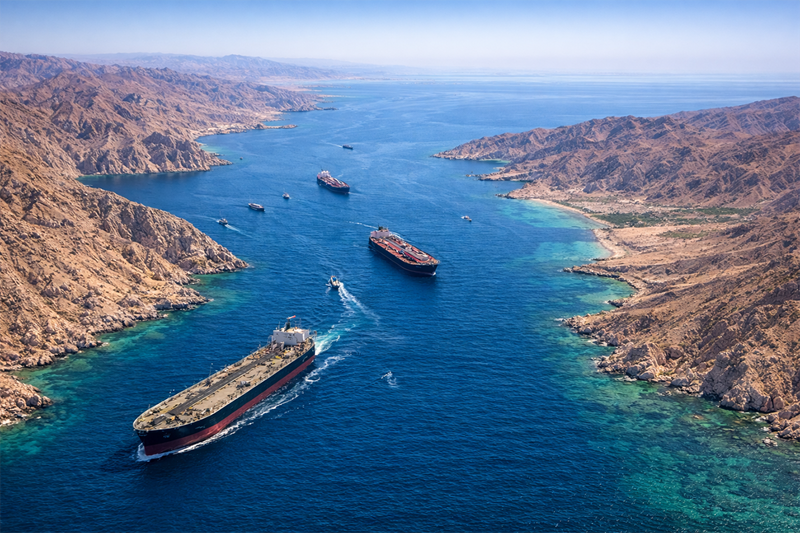
The escalation of the conflict between the US and Iran into a full-scale crisis and the temporary closure of the Strait of Hormuz locked a critical corridor for world steel trade and oil shipments. The Iranian Revolutionary Guard Corps Navy stated that it holds the Strait under full control. According to Clarksons Research, which monitors shipping data, approximately 3,200 vessels are stationary in the Persian Gulf, while the number of vessels waiting at ports outside the Gulf is around 500. This situation caused serious disruptions, particularly in steel shipments of Asian and Chinese origin. While Chinese exporters struggle to secure new orders, it is reported that freight prices to Türkiye increased by approximately USD 20 per ton.
The increase in freight prices became apparent in a short time. Shipping freight on the Djibouti route increased from USD 30/t to USD 50/t within a few days. Experts emphasized that if the conflict is prolonged, the increase in freight costs could become permanent and the shift towards alternative routes will accelerate.
The Ministry of Energy of Pakistan announced that oil shipments from Saudi Arabia were rerouted via Yanbu Port in the Red Sea due to the disruption in the Strait. It was emphasized that the process is being closely monitored for Pakistan's emergency energy needs, while noting that the Riyadh administration supports energy supply security.
According to experts, the tension in the Gulf will keep global steel and energy markets under pressure in the short term. In the medium and long term, it is assessed that increasing logistics and war risk insurance costs could lead to permanent changes in trade flows.





Yorumlar
Henüz yorum yapılmadı