


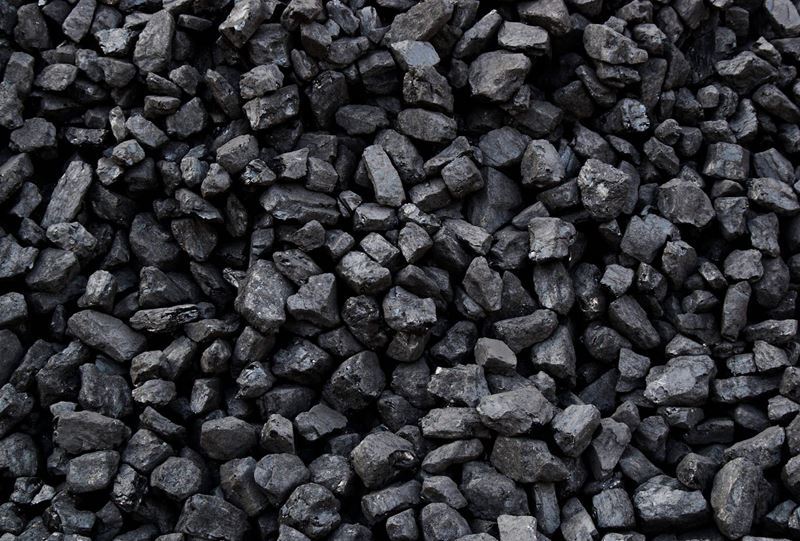
According to the Institute for Energy Economics and Financial Analysis (IEEFA) assessment dated April 28, 2026, the continued heavy dependence of global prices on Australian supply limits the effectiveness of this strategy.
While India meets approximately 90% of its coking coal demand through imports, it aims to increase its crude steel capacity to 300 million tons by 2030. The fact that 64% of the planned capacity is based on coal-based blast furnace (BF) technology further increases import dependency. In its note titled “U.S. coking coal offers limited relief for India’s energy security,” IEEFA emphasized that risks will persist despite increasing imports from the United States.
According to the report, although India has diversified its suppliers in recent years, Australia still accounts for nearly half of global seaborne coking coal exports. This situation causes supply disruptions in Australia to directly impact global prices. Indeed, heavy rainfall and flooding in Queensland in January 2026 disrupted production and logistics, pushing premium hard coking coal prices to $252.5 per ton on February 4—an increase of more than 50% compared to March 2025.
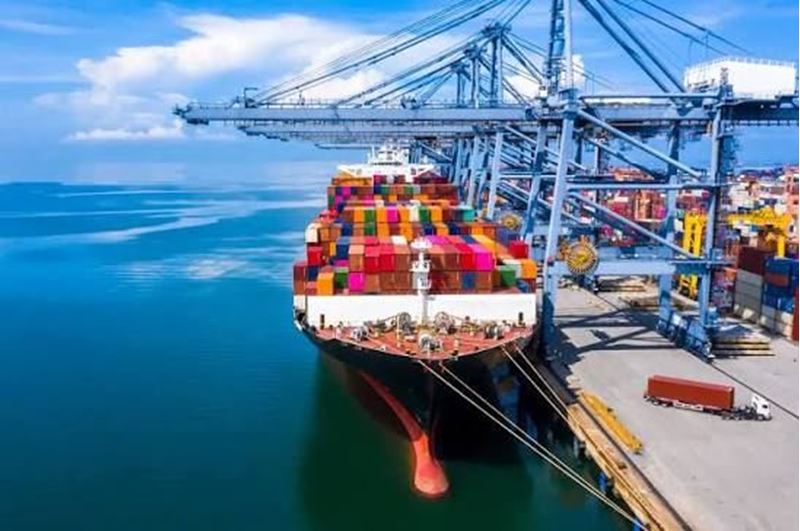
It was also noted that shipments from the United States are subject to higher freight costs due to longer distances. The crisis in the Middle East has further increased these costs by raising marine fuel prices. Simon Nicholas, IEEFA’s Global Steel Lead Analyst, highlighted that freight economics is a determining factor, stating that long distances weaken the competitiveness of U.S. coal.
In addition, U.S. coking coal export capacity is limited and is expected to decline in the coming years. The imbalance between rising demand from India and this limited capacity makes it difficult for the United States to replace Australia. From a technical standpoint, many steel plants in India use “stamp-charging” technology suited to blends of domestic and Australian coal, which limits the use of U.S.-origin coal.
According to IEEFA, supplier diversification alone will not be sufficient to resolve India’s energy security challenges. Saumya Nautiyal, South Asia Energy Finance Analyst at the institute, pointed out that global price volatility, supply disruptions, and climate-related risks are likely to persist.
The report stated that, in the long term, India should shift toward scrap-based electric arc furnace (EAF) production and accelerate green hydrogen-based steelmaking to reduce import dependency. In particular, domestic green hydrogen production was highlighted as a strategic opportunity against uncertainties in fossil fuel markets and geopolitical risks.



Yorumlar
Henüz yorum yapılmadı