


In its assessment, the Association stated that the CBAM proposals announced today by the European Commission reveal significant weaknesses, particularly with regard to EU exports, downstream sectors, and circumvention practices, while warning that the proposed measures, in their current form, may be insufficient to strengthen the effectiveness of the mechanism.
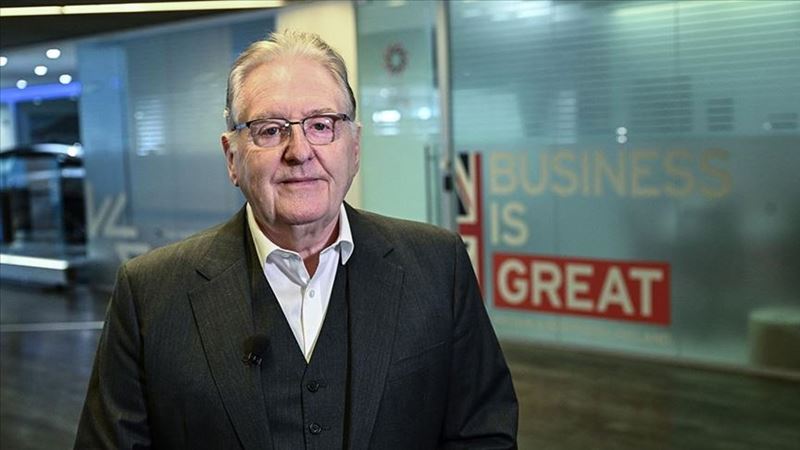
EUROFER Director General Axel Eggert said that while acknowledging CBAM’s weaknesses is a positive first step, it is far from sufficient. “Recognising CBAM’s shortcomings has long been a necessary and overdue step to ensure its effectiveness. However, the proposed solutions fail to address the core problems and do not provide the level of protection against carbon leakage and job losses that the European steel sector needs to successfully transform while remaining competitive in global markets. If the EU wants to back its climate ambitions with a credible industrial policy, CBAM must be robust and watertight from day one,” Eggert stated.
EUROFER highlighted that the approach to EU exports remains fragmented and temporary. The Association noted that the proposed measures cover only a two-year period and apply to less than a quarter of steel exports, while the funding structure of the proposed Transitional Decarbonisation Fund remains unclear. According to EUROFER, without a long-term and structural solution, EU steel producers will continue to face a competitive disadvantage in global markets.
While welcoming the Commission’s identification of risks such as resource shuffling and circumvention practices, EUROFER argued that the proposed countermeasures are insufficient in terms of both timing and deterrence. The Association warned that relying on potential future implementing acts for corrective measures is not convincing and that including pre-consumer scrap within CBAM could lead to adverse effects for the steel sector.
Regarding downstream sectors, EUROFER pointed out that the Commission plans to extend CBAM coverage to only a very limited number of downstream products. While this is seen as a first step in the right direction, the Association stressed that it does not adequately protect products at risk of carbon leakage and could create new gaps along the value chain.
In closing, Axel Eggert stated that while EUROFER appreciates the dialogue with the Commission under the Steel and Metals Action Plan (SMAP), this alone will not be sufficient in the current geo-economic environment. “In a context marked by global overcapacity, high energy costs and unfair trade practices, CBAM, without structural solutions, risks further penalising European steel producers and their customers who are investing in decarbonisation. We stand ready to work with policymakers to make CBAM truly effective and robust across the entire value chain,” he concluded.



Yorumlar
Henüz yorum yapılmadı